


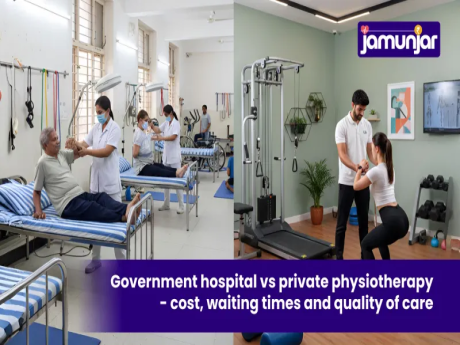
Government Hospital Vs Private Physiotherapy – Cost, Waiting Times And Quality Of Care
Blog Summary
When the choice is to be made between government hospitals and private physiotherapy, there tend to be confusing moments as one tries to decide the best way to go. This article will explain the way each of the systems works. The goal is to help patients make informed, safe decisions based on clinical needs, timing, and personal circumstances rather than assumptions.
Introduction
Physiotherapy plays an important role in managing pain, restoring movement, and supporting recovery after injury or illness. In India, patients usually get their physiotherapy through either government hospitals or private clinics which might include settings such as a physiotherapy center in Mumbai and similar facilities in other cities. Both of these settings aim to provide evidence-based care. However, the experience in both cases can differ in practical ways.
You must decide about which option will suit you better on the basis of urgency, affordability, waiting time, and the level of follow-up required. Understanding these differences early can reduce stress and help patients plan care more confidently. This comparison focuses on access and quality of care, not on promoting one system over the other.
How Government Hospital Physiotherapy Works
Referral Pathways And Eligibility
The physiotherapy services in government hospitals are usually accessed through a referral system. In this system, patients are first examined by a doctor who are usually expert in orthopaedics, neurology, or general medicine. If your doctor thinks physiotherapy is appropriate they will make a referral to the hospital’s rehabilitation department.
This structured approach aligns with public healthcare models described by the World Health Organization, which emphasise coordinated care, appropriate triage, and prioritisation of patients based on clinical need. Government hospitals often focus mainly on post-surgical patients, neurological conditions, trauma cases, and individuals who may not be able to afford private care.
Typical Waiting Times And Session Limits
Waiting times in government hospitals can be longer because of high patient volumes. This may lead to shorter appointment duration. Apart from that session frequency may also be limited by staffing and workload rather than ideal rehabilitation timelines.
Research published through the National Center for Biotechnology Information shows that the duration of the appointment and proper continuing of rehabilitation care is usually affected due to high patient load and less staff in public healthcare systems. Despite these limitations, treatment plans usually focus on essential exercises, education, and safety-based progression.
How Private Physiotherapy Works
Self-Referral, Insurance, And Self-Pay Options
One of the feature of private physiotherapy is that it allows self-referral in many cases. Provided there are no red-flag symptoms such as severe trauma, unexplained weakness, or neurological changes, referral from a doctor is not necessary in this respect, and the patients may directly book an appointment. Such measures will support earlier intervention for stable musculoskeletal pain, provided it is clinically appropriate.
This is usually self-paid for or partially covered under an insurance policy, if any. The prices may be different as per the location, experience of the therapist, and type of service provided.
Flexibility In Appointment Length And Frequency
Private clinics usually offer longer sessions and more flexible scheduling as per your need. This gives time for proper reassessment, exercise progression, and patient education. There are also options available for those who have mobility limitations and time constraints, such as physiotherapy at home in Mumbai. But it depends on the doctor if they think it is clinically appropriate.
Apart from that, there are also digital tools available, including a physiotherapy at home app, which can assist with scheduling and basic follow-up coordination. These tools can you assist with scheduling and follow-up. However, you must remember, treatment quality will still depend on proper assessment, supervision, and professional judgement rather than the platform used.

Comparing Patient Experience And Outcomes
Access To Specialised Services And Equipment
In case of private clinics, you may get access to rehabilitation equipment designed specifically for a particular need or therapists with focused clinical experience. Government hospitals generally prioritise essential rehabilitation needs to serve a larger population. In larger cities, services such as physiotherapy at home in Delhi may support continous care if frequent clinic visits are not possible for any patient.
As per, National Library of Medicine if a patient have access to appropriate equipment, it can support recovery, however outcomes are more strongly influenced by exercise quality, patient engagement, and adherence to treatment plans than by technology alone.
Continuity Of Care And Personalisation
Continuity of care, meaning regular follow-up with the same therapist, is more common in private settings. This allows closer monitoring of progress and easier adjustment of treatment plans.
Case-based rehabilitation research on NLM has shown that individualised, progressive physiotherapy programmes are associated with better functional outcomes than generic or fixed protocols, particularly for long-term musculoskeletal conditions.
Some patients also use a home physiotherapy booking app India to help manage appointments, although continuity still depends on professional oversight.
Cost Breakdown – Government Hospital Vs Private Physio
Direct Costs, Indirect Costs, And Time Off Work
Government hospital physiotherapy is usually free or very low cost. This cuts down directly on financial cost. On the other hand, it could also have some disadvantages like waiting times, travel, or lost work hours.
Private physiotherapy has higher upfront costs. It is recommended that while planning care, one must also take into consideration the indirect costs such as transport, repeated visits, and time away from work.
When Private Care May Reduce Long-Term Burden
In certain circumstances, early visit availability and follow-up care may have positive effects in terms of pain reduction or decreased work absences. But results are not always consistent and are subject to the nature of the condition and patient response.
How To Decide What’s Right For You
Clinical Urgency And Complexity
Sudden weakness, severe pain after trauma, unexplained symptoms, or nerve-related issues require medical evaluation before physiotherapy. In these cases, government hospitals often provide safer initial assessment through integrated medical services.
For stable musculoskeletal pain, early physiotherapy assessment may be appropriate. Decisions should always consider red-flag symptoms and professional medical advice.
Budget, Location, And Personal Preferences
Budget issues, distance, work commitments, and acceptability of care in the home are all factors that can influence your decision. Some patients like the idea of visiting a physiotherapy center, whereas others may benefit more by services such as physiotherapy at home in Hyderabad or other cities.
The results will vary, and there will not be a “one-size-fits-all” approach for every individual. An open dialogue with a licensed physiotherapist will enable a person to understand the available options.
Conclusion
Government hospital and private physiotherapy services both play important roles in patient care. Government hospitals offer easily accessible, affordable treatment through a referral system. A private physiotherapy service provides easier, quicker, and continued access.
Choosing between them depends on clinical needs, urgency, financial comfort, and personal circumstances. A brief discussion with a qualified physiotherapist or doctor can help patients choose the safest and most suitable path for their condition.
Medical Disclaimer
This article is for educational purposes only. It does not replace professional medical advice, diagnosis, or treatment. Physiotherapy outcomes vary between individuals. Always consult a qualified healthcare professional before starting, stopping, or changing any treatment or exercise programme.