
Anti Phospholipid Antibody (APL) - IgG
Immunity0 parametersReport in 12HrsAt Home
No Fasting Required
Details
These antibodies can increase the risk of blood clots, miscarriages, and autoimmune diseases, especially Antiphospholipid Syndrome (APS)
₹499₹825
40% OFF
FREE:AI Insights
Anti-Phospholipid Antibody (APL) - IgG Test Guide
- Why is it done?
- Detects IgG class anti-phospholipid antibodies that increase blood clotting risk and may cause thrombosis or pregnancy complications
- Diagnosis of Antiphospholipid Syndrome (APS) - a hypercoagulable condition associated with autoimmune disease
- Investigation of recurrent thrombotic events (deep vein thrombosis, pulmonary embolism, arterial thrombosis)
- Evaluation of unexplained pregnancy losses, including recurrent miscarriages or fetal deaths
- Assessment of patients with systemic lupus erythematosus (SLE) or other autoimmune conditions
- Evaluation of thrombosis occurring in unusual sites or at young age without typical risk factors
- Monitoring and re-testing for confirmation 12 weeks after initial positive result per diagnostic criteria
- Normal Range
- Normal (Negative) Result: Less than 7 GPL units/mL (GPL = Glycerol-3-Phosphate Lipoprotein)
- Borderline/Weak Positive: 7-20 GPL units/mL - suggestive of APL presence but requires confirmation
- Moderate Positive: 20-80 GPL units/mL - significant level associated with increased thrombotic risk
- High Positive: Greater than 80 GPL units/mL - strong positive associated with highest thrombotic and obstetric complications
- Units: GPL units/mL (Glycerol-3-Phosphate Lipoprotein units per milliliter)
- Interpretation Key: Negative values indicate absence of pathogenic IgG anti-phospholipid antibodies. Positive results suggest presence of antibodies with potential for thrombosis or obstetric complications.
- Interpretation
- Negative Result (< 7 GPL units/mL): APL IgG antibodies not detected; low probability of APS diagnosis. Does not exclude other thrombotic or obstetric conditions.
- Borderline Positive (7-20 GPL units/mL): Weak positive result requiring repeat testing. Clinical significance uncertain; recommendations suggest retesting in 12 weeks for diagnostic confirmation. May indicate recent infection or transient antibodies.
- Moderate Positive (20-80 GPL units/mL): Clinically significant APL antibodies present. Supports APS diagnosis when combined with clinical criteria. Associated with moderately increased thrombotic risk and pregnancy complications.
- High Positive (> 80 GPL units/mL): Strong evidence of significant APL antibodies. Strongly associated with APS diagnosis and significantly elevated thrombotic risk. Patients at highest risk for venous and arterial thrombosis and severe obstetric complications.
- Factors Affecting Results: Acute infections, malignancy, medications (warfarin, heparin - do not affect antibody levels), recent thrombotic events, and proximity to acute illness may transiently elevate results. IgG antibodies persist longer than IgM class.
- Clinical Significance Patterns: Triple positive (APL IgG + IgM + lupus anticoagulant) indicates highest disease severity. Single positive IgG with clinical features requires APS diagnosis consideration. Persistently positive results after 12 weeks confirm pathogenic antibodies versus transient findings.
- Associated Organs
- Primary Systems Involved: Vascular/circulatory system (blood vessels and blood), hematologic system (blood coagulation), immune system (autoimmunity)
- Antiphospholipid Syndrome (APS): Systemic autoimmune disorder where anti-phospholipid antibodies cause inappropriate blood clotting affecting multiple organs
- Vascular Thrombotic Complications: Deep vein thrombosis (legs), pulmonary embolism (lungs), arterial stroke (brain), myocardial infarction (heart), mesenteric thrombosis (intestines), retinal artery/vein thrombosis (eyes)
- Obstetric Manifestations: Recurrent first-trimester miscarriages, fetal death in utero, severe preeclampsia, placental insufficiency, intrauterine growth restriction, fetal thrombosis
- Associated Autoimmune Diseases: Systemic lupus erythematosus (SLE) - most common, Sjögren's syndrome, rheumatoid arthritis, autoimmune thyroid disease, inflammatory bowel disease
- Catastrophic APS (Rare but Severe): Multiple simultaneous thromboses affecting kidneys, lungs, heart, brain, adrenal glands with high mortality rate if untreated
- Other Associated Complications: Thrombocytopenia (low platelets), heart valve disease, nephropathy (kidney disease), cognitive dysfunction, skin necrosis, livedo reticularis
- Follow-up Tests
- Confirmatory APL Testing (Recommended 12 weeks after initial positive): Repeat APL IgG test, Anti-phospholipid IgM test, Lupus anticoagulant test, Anti-cardiolipin antibodies
- Coagulation Studies: Prothrombin time (PT), Activated partial thromboplastin time (aPTT), Platelet count, Fibrinogen level, D-dimer
- Autoimmune Disease Screening: Antinuclear antibody (ANA), Anti-Smith (anti-Sm), Anti-double stranded DNA (anti-dsDNA), Complement levels (C3, C4), Erythrocyte sedimentation rate (ESR), C-reactive protein (CRP)
- Imaging Studies for Thrombosis Evaluation: Doppler ultrasound (venous thrombosis), CT angiography (pulmonary embolism), Brain MRI/CT (stroke), Echocardiography (cardiac involvement)
- Obstetric-Related Testing: Serial ultrasound during pregnancy, Fetal monitoring, Uterine artery Doppler studies, Placental function assessment
- Organ Function Monitoring: Renal function tests (creatinine, BUN), Liver function tests, Chest imaging, Urinalysis for proteinuria
- Monitoring Frequency: Initial confirmation at 12 weeks; then periodic monitoring (every 6-12 months) for patients on anticoagulation; more frequent testing during acute thrombotic events or pregnancy
- Anti-Beta-2 Glycoprotein I Antibodies: More specific for APS diagnosis than cardiolipin antibodies; provides additional pathogenic information
- Fasting Required?
- Fasting Required: No
- Food and Drink: No fasting required; normal eating and drinking before blood draw is acceptable
- Medications: Continue all regular medications including anticoagulants (warfarin, heparin), antiplatelet drugs (aspirin), and immunosuppressants - these do not interfere with test results
- Sample Collection Timing: Blood sample can be collected at any time of day. For patients with suspected acute thrombosis, draw sample as soon as possible after event.
- Special Instructions: Avoid prolonged fist clenching during blood draw to prevent hemoconcentration. Blood collected in appropriate citrate tube (typically 3.2% sodium citrate). Handle specimen gently to prevent hemolysis.
- Repeat Testing Guidelines: If initial result is positive, must wait minimum 12 weeks before repeat testing for confirmation per Sydney classification criteria for APS diagnosis
- Stress and Hydration: Maintain normal hydration status before test. Stress does not significantly affect APL antibody levels, but overall health maintenance is recommended.
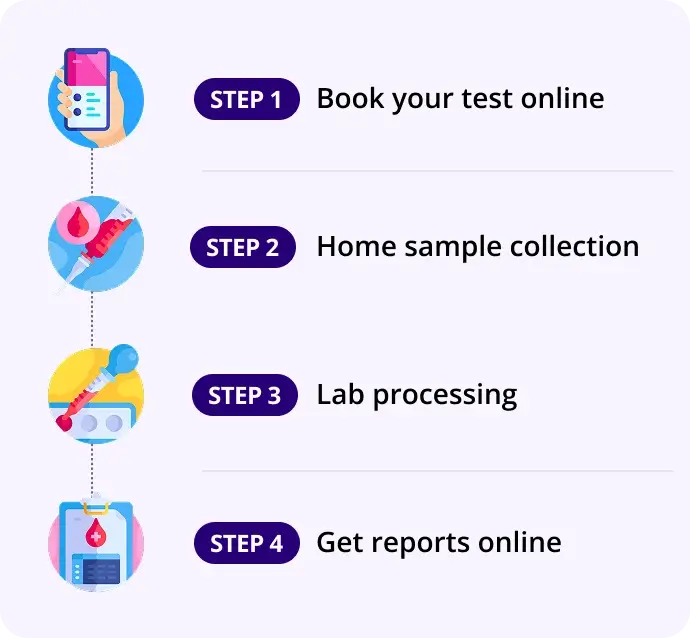
How our test process works!