
Sputum Routine
Bacterial/ Viral0 parametersReport in 12HrsAt Home
No Fasting Required
Details
Analysis of sputum (mucus coughed up from the respiratory tract) to assess for the presence of infection, inflammation, or abnormal cells
₹369₹450
18% OFF
FREE:AI Insights
Sputum Routine - Comprehensive Medical Test Guide
- Why is it done?
- Detects and identifies microorganisms (bacteria, fungi, viruses, parasites) present in the respiratory tract and lower airways
- Diagnoses respiratory tract infections including pneumonia, bronchitis, and tuberculosis
- Evaluates persistent cough lasting more than 3 weeks, particularly for suspected TB or chronic respiratory infections
- Identifies drug-resistant organisms to guide appropriate antibiotic therapy
- Monitors effectiveness of antimicrobial treatment in patients with diagnosed infections
- Assesses immunocompromised patients with respiratory symptoms (HIV/AIDS, transplant recipients)
- Typically performed when patients present with productive cough, fever, hemoptysis, or dyspnea
- Normal Range
- Culture Result: Negative (No pathogenic organisms isolated)
- Gram Stain: Few to moderate epithelial cells (<10/low power field), numerous leukocytes (>25/low power field), minimal bacteria or yeast
- Appearance: Clear to mucoid, white or slightly yellow color
- Acid-Fast Bacilli (AFB) Smear: Negative (No tuberculosis bacilli detected)
- Quality Assessment: Adequate specimen (good quality sputum, not saliva)
- Interpretation
- Negative Results: No pathogenic organisms cultured; suggests absence of significant bacterial, fungal, or mycobacterial infection; may indicate viral infection or non-infectious cause of respiratory symptoms
- Positive Culture: Indicates presence of pathogenic organism (quantity and type specified); confirms respiratory tract infection; organism identification guides targeted antibiotic therapy
- Gram Stain Findings: Gram-positive cocci in clusters suggest Staphylococcus; Gram-negative rods suggest Enterobacteriaceae or Pseudomonas; diplococcal appearance suggests Streptococcus pneumoniae
- AFB Positive: Indicates presence of tuberculosis bacilli (Mycobacterium tuberculosis); patient is typically considered infectious; requires isolation precautions and TB treatment initiation
- Inadequate Specimen: Predominantly saliva or insufficient volume; specimen cannot be reliably interpreted; recollection requested
- Factors Affecting Results: Prior antibiotic therapy may reduce organism recovery; specimen collection timing relative to symptom onset; quality of specimen collection; contamination during collection; improper transport or storage
- Antimicrobial Susceptibility: Results report sensitivity (organism susceptible to antibiotic) or resistance patterns; guides appropriate antibiotic selection and predicts treatment efficacy
- Associated Organs
- Primary Organ System: Respiratory system including lungs, bronchi, bronchioles, and trachea
- Common Respiratory Infections Diagnosed: Bacterial pneumonia (Streptococcus pneumoniae, Haemophilus influenzae, Staphylococcus aureus), Mycobacterium tuberculosis, atypical pneumonias (Mycoplasma, Chlamydia), fungal infections (Aspergillus, Candida), chronic bronchitis, bronchiectasis
- Serious Conditions Associated: Tuberculosis, drug-resistant TB (MDR-TB, XDR-TB), hospital-acquired pneumonia (nosocomial infections), ventilator-associated pneumonia in ICU patients, community-acquired pneumonia
- Secondary Complications: Sepsis (if untreated infection spreads systemically), acute respiratory distress syndrome (ARDS), pleuritis, empyema, lung abscess, progressive pulmonary disease
- High-Risk Populations: Immunocompromised patients (HIV/AIDS, chemotherapy recipients, transplant patients), elderly patients, patients with chronic lung disease (COPD, asthma), diabetics, smokers, hospitalized patients
- Follow-up Tests
- If TB Suspected or Confirmed: Repeat AFB smears (minimum 3 consecutive samples on different days), TB culture confirmation, TB PCR/GeneXpert MTB/RIF for rapid detection and rifampicin resistance, chest X-ray, HIV testing, TB drug susceptibility testing
- If Bacterial Pneumonia Identified: Blood cultures, complete blood count (CBC), chest X-ray, procalcitonin level, C-reactive protein (CRP), basic metabolic panel (BMP), oxygen saturation monitoring
- For Immunocompromised Patients: CD4 count (HIV patients), Pneumocystis jirovecii PCR if PCP suspected, fungal culture and identification, viral respiratory panel, bronchoscopy with bronchoalveolar lavage if initial sputum non-diagnostic
- Monitoring During Treatment: Serial sputum cultures to document organism clearance, repeat AFB smears for TB patients at week 2-4 to confirm treatment efficacy, follow-up chest imaging to document resolution
- For Resistance Concerns: Comprehensive antimicrobial susceptibility testing, extended panel for multidrug-resistant organisms, consultation with infectious disease specialist, possible sputum induction for better specimen quality if initial samples inadequate
- Complementary Tests: Viral respiratory panel (influenza, RSV, COVID-19, rhinovirus), sputum eosinophil count for asthma/eosinophilic bronchitis evaluation, spirometry for chronic airway disease assessment
- Fasting Required?
- Fasting Status: No - Fasting is NOT required for sputum collection
- Patient Preparation Instructions: Patient should rinse mouth with water (not mouthwash) to remove food debris and reduce contamination with oral flora; early morning sample is preferred as sputum accumulates overnight
- Collection Technique: Patient should inhale deeply and cough forcefully from deep in chest to expel sputum into sterile container; avoid spitting saliva; sample should contain at least 2-5 mL of sputum; multiple samples may be collected on different days for TB screening
- Medications to Continue: All routine medications should be continued unless otherwise instructed by physician; continued use of mucolytics or inhalers does not interfere with collection
- Medications to Avoid Before Collection: Do not use antimicrobial mouthwash before collection as it may reduce organism recovery; avoid eating or drinking for 15-30 minutes prior to collection for better sample quality; do not use cough suppressants if possible
- Specimen Storage and Transport: Specimen should be transported to laboratory promptly; if delay anticipated, refrigerate at 2-8°C; do not freeze samples unless specifically instructed; maintain proper labeling with patient identification and collection time
- Special Considerations: For patients unable to produce sputum spontaneously, induction with hypertonic saline nebulizer may be used; if TB suspected, collect at least 3 separate samples on consecutive days for optimal sensitivity; wear appropriate personal protective equipment (N95 mask) when collecting from suspected TB patients
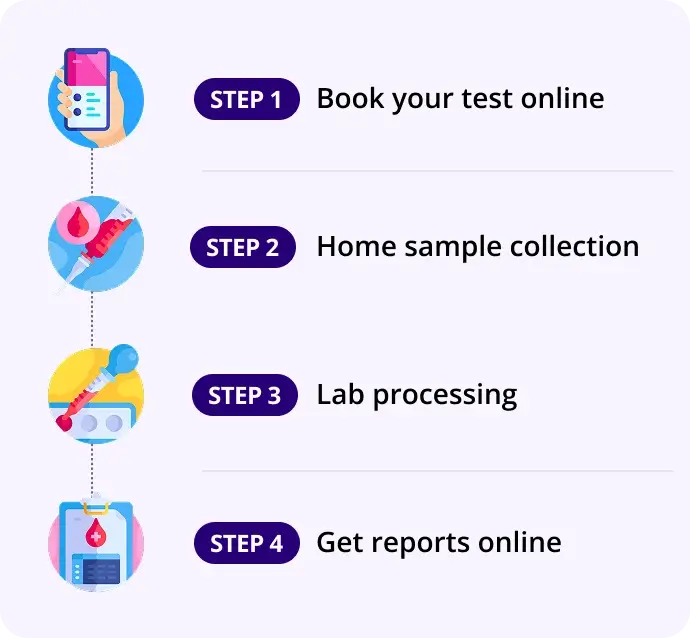
How our test process works!