

Lower Back Pain: Causes, Symptoms, Treatment & Physiotherapy for Relief
Lower back pain is one of the most common musculoskeletal conditions in adults. Learn its causes, symptoms, treatment options, and how musculoskeletal physiotherapy can help improve movement and spinal health.
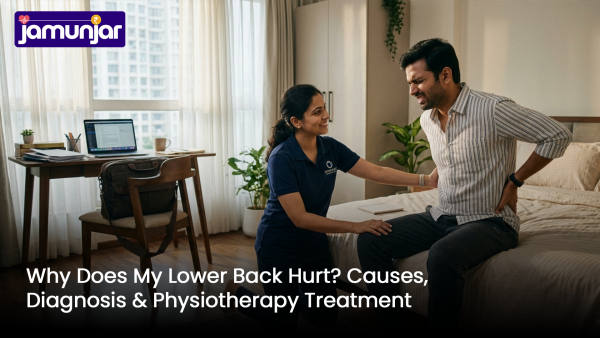
Lower back pain is one of the most widespread health concerns, affecting nearly 80% of adults at some point in their lives. It can develop because of muscle strain, herniated discs, age-related spinal changes, poor posture, or a sedentary lifestyle. Recognising symptoms early—whether that is persistent aching, stiffness, or pain that radiates into the legs—can make a meaningful difference to how quickly and effectively the condition is managed.
With the right combination of lifestyle changes, safe exercises, timely assessment, and rehabilitation through musculoskeletal physiotherapy, many people can find lasting relief and get back to living more comfortably.
Key Takeaways
- Lower back pain affects nearly 80% of adults at some point and is one of the most common reasons people seek medical care worldwide.
- The most frequent causes include muscle or ligament strain, herniated discs, degenerative disc disease, sciatica, spinal stenosis, and poor posture.
- Symptoms range from a dull lumbar ache and stiffness to radiating pain in the hips and legs — neurological signs such as leg weakness or numbness require urgent medical review.
- Early management through rest, heat or cold therapy, gentle movement, and posture correction can significantly speed up recovery.
- Musculoskeletal physiotherapy addresses the root cause of pain through strengthening exercises, manual therapy, and spinal posture training.
- Preventive habits — including core strengthening, proper lifting technique, and staying physically active — are the most effective way to reduce the risk of recurrence.
Lower back pain is one of the most common musculoskeletal problems worldwide and a major cause of disability. Research indicates that almost 80% of adults experience low back pain at some point in their lives, making it one of the most common reasons for consulting a doctor.
The back is the major support structure for the entire weight of the human body. It allows movements such as bending, lifting, sitting, and walking. Because the lower back is under constant strain, it is particularly vulnerable to injury, overuse, and poor movement habits.
Many people begin searching for what to do for lower back pain when discomfort starts interfering with daily activities such as sitting at a desk, commuting, or lifting objects. While mild symptoms may improve within days, persistent or severe pain may point to underlying issues that need professional evaluation and treatment.
Early intervention, exercises, posture correction, and other forms of rehabilitation, including musculoskeletal physiotherapy, can help relieve pain, improve movement, and reduce the risk of recurring spinal complications. Services such as physiotherapy at home in Mumbai can also provide convenient rehabilitation support for people managing chronic low back pain.
This article explains the common lower back pain causes, symptoms, treatment options, and prevention strategies associated with low back pain.
What Is Lower Back Pain
Lower back pain is pain or discomfort felt in the lower part of the spine, specifically the lumbar region between the rib cage and pelvis. This part of the spine includes vertebrae, spinal discs, muscles, ligaments, and nerves, all of which work together to support body weight and allow movement.
The pain can range from a dull and uncomfortable ache to a sharp or stinging sensation. It may remain localised in the lower back or radiate into the hips and legs. In some cases, it worsens with movement or certain physical activities.
According to healthcare experts, there are three broad clinical patterns of low back pain:
Acute Lower Back Pain
Pain lasting less than six weeks, often linked to muscle strain or a minor injury.
Subacute Lower Back Pain
Pain lasting six to twelve weeks, which may benefit from rehabilitation and lifestyle changes.
Chronic Lower Back Pain
Pain that persists for more than three months and may involve ongoing structural or functional issues that need targeted care such as musculoskeletal physiotherapy.
Pain in Lower Back Causes
It is important to understand the pain in lower back causes so the most appropriate treatment can be chosen. There are multiple structural, muscular, and lifestyle-related factors that may contribute to lower back pain causes.
Muscle or Ligament Strain
One of the most frequent lower back pain causes is muscle or ligament strain. This occurs when the muscles or connective tissues supporting the spine are stretched or torn because of excessive force or improper movement.
Activities such as lifting heavy objects incorrectly, sudden twisting, or repetitive bending can place stress on the lumbar muscles and ligaments. This may lead to inflammation, stiffness, and localised pain.
Common contributing factors include poor lifting mechanics, sudden movements, poor sitting posture for long periods, low overall fitness, and weak core muscles. Symptoms may include muscle spasm, stiffness, and difficulty standing upright.
Early care often involves relative rest, gentle movement, and strengthening exercises. Rehabilitation through musculoskeletal physiotherapy may help restore muscle balance and reduce recurring low back pain.
Herniated or Bulging Disc
A herniated or bulging disc is another major contributor to lower back pain. Spinal discs act as cushions between vertebrae, absorbing shock and supporting spinal flexibility.
Each disc contains a soft inner core surrounded by a tougher outer layer. If the outer layer weakens or tears, the inner material may protrude and put pressure on nearby spinal nerves.
This may cause:
- Continuous lower back pain
- Pain running down the leg, often called sciatica
- Tingling or numbness
- Weakness in the leg muscles
Disc herniation may be linked to ageing, repetitive strain, or injury. Conservative treatment techniques such as exercise, posture correction, and musculoskeletal physiotherapy can help reduce stress on the spine and improve stability.
Degenerative Disc Disease
Age-related degeneration of spinal discs is another common source of lower back pain causes. Over time, intervertebral discs lose water content and elasticity. As this happens, the spine may become stiffer and less able to absorb everyday forces comfortably.
Symptoms may include:
- Continuous low back pain
- Stiffness in the spine
- Pain after prolonged sitting or standing
- Discomfort during movement
Strengthening exercises delivered with the help of musculoskeletal physiotherapy can support the spine and help reduce discomfort.
Sciatica
Sciatica is the compression or irritation of the sciatic nerve, which is the longest nerve in the body.
This condition may cause:
- Sharp, shooting lower back pain
- Pain in the back and leg
- Numbness and tingling sensations
- Muscle weakness
Physiotherapy rehabilitation programmes may include exercises designed to relieve nerve pressure and improve movement tolerance.
Spinal Stenosis
Spinal stenosis refers to narrowing of the spinal canal that compresses spinal nerves. It commonly develops due to ageing, arthritis, or bone overgrowth.
Symptoms may include:
- Persistent low back pain
- Numbness in the legs
- Difficulty walking or standing
- Pain that improves when bending forward
Rehabilitation through musculoskeletal physiotherapy may help improve spinal mobility and reduce nerve pressure.
Poor Posture and Sedentary Lifestyle
Modern working habits are also among the most common pain in lower back causes. Sitting for long periods, poor workstation setup, and lack of exercise contribute to weakness in the muscles that support the spine.
The following may increase the risk of low back pain:
- Working long hours at a desk
- Poor sitting posture
- Lack of regular exercise
- Weak back and abdominal muscles
To reduce risk, it helps to improve posture, move regularly, and follow exercises that strengthen the back and abdomen.
Symptoms of Lower Back Pain
Symptoms of lower back pain vary depending on the underlying problem. Common symptoms include:
- Persistent aching in the lumbar region
- Muscle stiffness
- Reduced flexibility
- Pain during movement
- Difficulty standing or walking
- Pain radiating into the hips or legs
Severe symptoms such as numbness, leg weakness, or loss of bladder control require immediate medical evaluation.
What to Do for Lower Back Pain
Many people search for what to do for lower back pain when symptoms first appear. Several early strategies may help reduce discomfort and support recovery.
Rest and Activity Modification
Short periods of rest may reduce inflammation, but prolonged bed rest should be avoided because it may worsen stiffness.
Heat and Cold Therapy
Cold therapy may help reduce inflammation during the early stage of an injury, while heat can help relax tight muscles.
Gentle Movement
Activities such as walking and stretching help maintain flexibility and reduce stiffness associated with low back pain.
Pain Relief Medication
Over-the-counter medicines may help manage mild symptoms, though medical advice is recommended if symptoms continue.
If symptoms persist, professional rehabilitation services such as physiotherapy at home in Delhi can help assess the condition and guide treatment.
Role of Musculoskeletal Physiotherapy in Lower Back Pain
There is a clear role for rehabilitation techniques such as musculoskeletal physiotherapy in the management of lower back pain and prevention of recurrence.
Physiotherapy can improve movement, strengthen the muscles that support the spine, and help correct posture in a way that is practical and comfortable for the body.
For people living with pain for some time, getting the right support does not always mean travelling to a clinic. With physiotherapy at home in Hyderabad, a qualified physiotherapist can provide personalised exercises and a rehabilitation plan in the comfort of home.
Physiotherapy Assessment
A physiotherapist evaluates posture, spinal alignment, muscle strength, and movement patterns to identify likely contributors to lower back pain causes.
Strengthening Exercises
Exercises that target the core muscles and back stabilisers help support the lumbar spine and reduce stress on spinal structures.
Manual Therapy
Hands-on treatment techniques such as joint mobilisation and soft tissue treatment can help reduce muscle spasm and improve movement.
Posture Correction
Proper posture is essential for reducing stress on the spine and helping prevent repeated episodes of low back pain.
Risk Factors for Lower Back Pain
There are several factors that may increase the risk of acquiring lower back pain:
- Ageing and spinal degeneration
- Lack of physical activity
- Obesity
- Occupations that require heavy lifting
- Smoking
- Weak abdominal muscles
In some cases, an advanced full body checkup may help identify underlying conditions that could be contributing to pain.
Prevention Tips for Lower Back Pain
Preventing low back pain involves maintaining spinal health through everyday lifestyle changes.
Maintain Good Posture
Good posture while sitting, standing, and working helps reduce strain on the spine.
Strengthen Core Muscles
Strong core muscles provide essential support for the lumbar spine.
Stay Physically Active
Regular physical activity improves flexibility and spinal stability.
Use Proper Lifting Techniques
Lift heavy objects using the legs rather than the back.
Preventive health screenings such as a women's full body checkup or full body checkup for elderly may also help detect conditions such as osteoporosis or deficiencies that contribute to back pain.
When Should You See a Doctor
Medical attention may be necessary if lower back pain:
- Lasts more than two weeks
- Gets worse over time
- Makes the legs weak or numb
- Travels into the legs
- Is linked to changes in bladder or bowel function
Early diagnosis can help clinicians decide what to do next and reduce the chance of future complications.
Frequently Asked Questions
What are the most common causes of lower back pain?
The most common causes include muscle or ligament strain from lifting or sudden movements, herniated or bulging discs pressing on nerves, degenerative disc disease, sciatica, spinal stenosis, and poor posture from prolonged sitting. Identifying the specific cause helps guide the most appropriate treatment.
How do I know if my lower back pain is serious?
Seek immediate medical attention if your lower back pain is accompanied by leg weakness, numbness or tingling, loss of bladder or bowel control, fever, or unexplained weight loss. Pain that worsens over time or does not improve within two weeks also warrants professional evaluation.
What is the fastest way to relieve lower back pain at home?
Short periods of rest combined with gentle movement often provide early relief. Applying a cold pack in the first 48 hours can reduce inflammation, while heat therapy helps relax tight muscles after that initial stage. Gentle walking, stretching, and over-the-counter pain relief, when appropriate, can also help manage initial discomfort.
How does musculoskeletal physiotherapy help lower back pain?
Musculoskeletal physiotherapy targets the underlying cause of lower back pain rather than just the symptoms. A physiotherapist assesses your posture, strength, and movement, then designs a programme that may include core strengthening, manual therapy, posture correction, and movement retraining — all designed to reduce pain and prevent it from returning.
Can lower back pain go away on its own?
Acute lower back pain from muscle strain often improves within a few weeks with rest and gentle movement. However, pain that persists beyond two to three weeks, worsens progressively, or is associated with neurological symptoms is unlikely to resolve without professional assessment and treatment.
What exercises are safe for lower back pain?
Gentle exercises such as walking, pelvic tilts, knee-to-chest stretches, bridge exercises, and cat-cow stretches are generally well tolerated by most people with lower back pain. All exercises should be started under the guidance of a qualified physiotherapist who can tailor the programme to your specific condition and stage of recovery.
How long does lower back pain usually last?
Acute lower back pain typically resolves within four to six weeks with appropriate care. Subacute pain lasting six to twelve weeks benefits from structured rehabilitation. Chronic lower back pain — persisting for more than three months — may require longer-term management through musculoskeletal physiotherapy and lifestyle modification.
Conclusion
Lower back pain is a common condition that may interfere with daily activities, work, and quality of life. While many cases are related to muscle strain and lifestyle habits, some people experience symptoms because of structural spinal problems.
Understanding the pain in lower back causes can help people recognise possible underlying issues. Lifestyle changes, exercises, and other supportive healthcare practices can make a meaningful difference.
Rehabilitative approaches such as musculoskeletal physiotherapy can support recovery, improve movement, and reduce the risk of recurring pain.
If you are experiencing lower back pain, Jamunjar's qualified physiotherapy team can help you recover safely and effectively. Access professional physiotherapy at home in Mumbai, physiotherapy at home in Delhi, or physiotherapy at home in Hyderabad — and take the first step towards lasting spinal health.
Medical Disclaimer
This article is for educational purposes only. It does not replace professional medical advice, diagnosis, or treatment. Always consult a qualified doctor or physiotherapist before starting, stopping, or changing any treatment for pain or medical conditions. Exercises should only be started after assessment and guidance from a qualified physiotherapist.
References
- Pourya Shokri, Mahdi Zahmatyar, Mahdi Falah Tafti, Mobin Fathy, Mohammadmahdi Rezaei Tolzali, Amir Ghaffari Jolfayi, Seyed Aria Nejadghaderi, Mark J M Sullman, Ali-Asghar Kolahi, Saeid Safiri. Non-spinal low back pain: Global epidemiology, trends, and risk factors. 2023. Available at: https://pmc.ncbi.nlm.nih.gov/articles/PMC10477419/
- World Health Organization. Low Back Pain - Fact Sheet. Available at: https://www.who.int/news-room/fact-sheets/detail/low-back-pain
- Justyna Frasuńska, Barbara Stypińska, Beata Tarnacka. Physiotherapy management strategies for chronic pain control in patients with lumbosacral transitional vertebrae and low back pain: a review of the literature. 2025. Available at: https://pmc.ncbi.nlm.nih.gov/articles/PMC12503154/
- Cleveland Clinic. Lower Back Pain. Available at: https://my.clevelandclinic.org/health/diseases/7936-lower-back-pain
The article is written by

He specializes in comprehensive assessment, pre- and post-rehabilitation, and advanced management of musculoskeletal, neurological, and critical cardio-respiratory conditions.