

Complete Guide to Neck Pain (Cervicalgia) and Effective Neck Pain Relief
Neck pain (cervicalgia) is a common but often overlooked condition that can affect movement, posture, and quality of life. This guide covers causes, symptoms, and evidence-based musculoskeletal physiotherapy methods for effective neck pain relief.
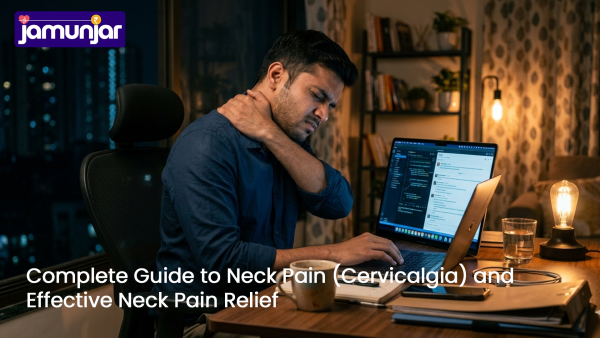
Neck pain is something most of us brush off as a minor inconvenience, but when it starts affecting your sleep, your focus, and your ability to simply turn your head without wincing, it becomes clear that it deserves proper attention. Whether it is coming from hours of staring at a screen, an old injury that never quite healed, or the gradual wear and tear that comes with age, understanding what is actually causing your neck pain is the key to finding real and lasting relief. This complete guide walks you through everything from early home management and ergonomic fixes to evidence-based musculoskeletal physiotherapy, giving you a clear and practical path towards a pain-free neck and a better quality of life.
Key Takeaways
- Neck pain (cervicalgia) affects people of all ages and is increasingly common due to prolonged screen use and poor postural habits.
- The most common causes include tech neck from forward head posture, muscle strain, cervical spondylosis, whiplash injuries, and nerve compression.
- Symptoms range from localised stiffness and reduced range of motion to radiating neck and shoulder pain, headaches, and arm numbness.
- Early management includes cold or heat therapy, gentle movement, and ergonomic corrections such as screen positioning and supportive pillows.
- Musculoskeletal physiotherapy — including manual therapy, exercise therapy, and posture correction — is the most effective long-term approach for neck pain relief.
- Red flag symptoms such as fever with neck stiffness, loss of coordination, or progressive arm weakness require immediate medical attention.
Neck pain is one of the most common musculoskeletal problems in the world. It affects people of all ages, from working adults to older people. This condition, known clinically as cervicalgia, causes pain or discomfort in the cervical spine, which supports the head and allows it to move in many directions.
In today's digital world, spending too much time in front of a screen, having bad posture, and not getting enough exercise have all contributed to a significant rise in cases of neck and shoulder pain and neck muscle pain. Many people dismiss neck pain as trivial, but if left unaddressed it can progressively worsen, making it harder to move, sleep, work, and stay productive.
Most episodes of neck pain are mechanical in nature, meaning they arise from muscles, joints, or soft tissues rather than a serious illness. This is where musculoskeletal physiotherapy plays a central role — it focuses on restoring movement, correcting posture, and providing lasting neck pain relief.
People who need guided treatment can access it through services like physiotherapy at home in Mumbai, which provide tailored care in a comfortable and consistent setting — something that is very important for recovery.
What Is Neck Pain (Cervicalgia)?
Cervicalgia, or neck pain, refers to pain in the cervical spine, which runs from the base of the skull to the upper back. Vertebrae, discs, muscles, ligaments, and nerves all work together in this region to provide both stability and movement.
Because it is so flexible, the cervical spine is more susceptible to injury or strain. Even small changes in posture or muscle use can cause neck muscle pain or stiffness.
Categories of Neck Pain
In a clinical setting, neck pain can be categorised into:
- Acute neck pain — lasting less than six weeks
- Subacute neck pain — lasting 6 to 12 weeks
- Chronic neck pain — lasting more than three months
It may also be:
- Localised (confined to the neck)
- Radiating (extending to the shoulders or arms, common with neck and shoulder pain)
Understanding the type and duration of cervicalgia is essential for choosing the most effective approach to neck pain relief.
Causes of Neck Pain
Neck pain can arise from a number of mechanical, degenerative, and lifestyle-related causes. Identifying the underlying reason is important for achieving lasting neck pain relief.
Poor Posture and Digital Lifestyle
One of the most common causes of neck pain today is poor posture, particularly forward head posture caused by prolonged smartphone and computer use.
When the head pushes forward, the load on the cervical spine increases significantly, placing excessive stress on the muscles and joints. Over time, this causes persistent neck and shoulder pain and neck muscle pain.
This condition is commonly referred to as "tech neck" and is becoming increasingly prevalent among younger people.
Muscle Strain and Overuse
Neck muscle pain can result from repetitive movements, long working hours, and sleeping in awkward positions.
Habits such as:
- Holding a phone between your shoulder and ear
- Insufficient neck support during sleep
- Sudden jerky movements
can gradually lead to chronic cervicalgia.
Degenerative Changes
Cervical spondylosis and disc degeneration are conditions that can develop as the cervical spine wears down with age.
These changes reduce neck flexibility and may compress adjacent nerves, causing neck pain, stiffness, and sometimes symptoms that radiate to other parts of the body.
Injury or Trauma
Whiplash, which commonly occurs in road accidents, can simultaneously injure muscles, ligaments, and joints, causing neck pain that may be short-term or long-lasting.
If these injuries are not treated correctly, they can develop into chronic cervicalgia.
Nerve Compression
Herniated discs or bone spurs can press on nerves in the cervical spine, leading to:
- Radiating neck and shoulder pain
- Tingling or numbness sensations
- Weakness in the arms
This type of neck pain requires thorough clinical evaluation and targeted rehabilitation through musculoskeletal physiotherapy.
Symptoms of Neck Pain
The symptoms of neck pain can vary depending on the cause, but they commonly include:
- Persistent or intermittent neck pain
- Stiffness and reduced range of motion
- Neck and shoulder pain
- Muscle spasms or tightness (neck muscle pain)
- Headaches that originate in the neck
- Pain when turning or tilting the head
With nerve compression, additional symptoms may include numbness or tingling in the arms and weakness in the hands.
Early recognition of these signs is essential for beginning appropriate treatment and achieving faster neck pain relief.
What to Do for Neck Pain (Early Stage Management)
Early management is very important for preventing neck pain from becoming a long-term problem.
Immediate Pain Relief Strategies
To manage neck pain in the early stages:
- Cold therapy — helps reduce swelling in acute situations
- Heat therapy — relaxes tight muscles and improves blood flow
- Gentle movement — keeps the neck mobile and prevents stiffness
- Over-the-counter pain relief (if advised by a doctor)
- Avoid prolonged rest, as this can worsen neck muscle pain
Activity Modification
Many people think complete rest is the right response, but this is not always the case. Maintaining mild activity supports recovery and prevents stiffness.
For lasting neck pain relief, gradually returning to regular movement is important.
Ergonomic Corrections
Improving ergonomics is one of the most effective strategies for managing and preventing neck pain:
- Position the screen at eye level
- Keep the back well supported
- Avoid slouching
- Use a supportive pillow for the head and neck
These adjustments can make a meaningful difference in managing neck and shoulder pain over time.
Role of Musculoskeletal Physiotherapy in Neck Pain Relief
Research supports musculoskeletal physiotherapy as one of the most effective long-term approaches for neck pain relief. Rather than simply masking symptoms, physiotherapy targets the true cause of cervicalgia and helps restore normal movement.
Manual Therapy and Pain Reduction
Physiotherapists use hands-on techniques including stretching, soft tissue release, and joint mobilisation to reduce stiffness and improve mobility.
These methods are particularly effective for:
- Reducing neck muscle pain
- Improving joint flexibility
- Easing neck and shoulder pain
Manual therapy provides immediate relief and prepares the body for corrective exercises.
Exercise Therapy for Long-Term Recovery
Exercise is the most important element of achieving lasting neck pain relief. A structured programme focuses on:
- Strengthening weak muscles
- Improving flexibility
- Correcting posture
Common exercises include:
- Chin tucks (to correct forward head posture)
- Neck rotation and lateral flexion
- Scapular strengthening exercises
These exercises not only relieve neck pain but also help prevent cervicalgia from recurring.
Posture Correction and Movement Training
Poor posture is one of the primary causes of neck pain. Physiotherapists guide patients on:
- Maintaining a neutral spinal position
- Avoiding forward head posture
- Improving sitting and standing alignment
This is essential for reducing chronic neck and shoulder pain and preventing long-term complications.
Personalised Home-Based Care
Consistency is critical in recovery. Many patients find it difficult to maintain regular clinic visits, which can slow progress.
Services like physiotherapy at home in Delhi and physiotherapy at home in Hyderabad ensure that treatment is guided, adherence is maintained, and neck pain relief is achieved more quickly.
Risk Factors for Neck Pain
Understanding your risk factors helps with both prevention and early treatment of neck pain.
Common Risk Factors
Common risk factors include:
- A sedentary lifestyle
- Prolonged screen use
- Poor posture habits
- Muscle tension from stress
- Age-related degenerative changes
These factors commonly contribute to recurring neck muscle pain and persistent neck and shoulder pain.
Prevention Tips for Neck Pain Relief
Preventing neck pain is far easier and more effective than treating it once it has developed.
Maintain Proper Posture
Keeping the head aligned with the spine reduces stress and helps prevent cervicalgia.
Stay Physically Active
Regular movement improves blood flow and prevents muscle tightness, reducing the risk of neck muscle pain.
Strengthen Supporting Muscles
Exercises targeting the neck and upper back are essential for achieving lasting neck pain relief.
Optimize Workstation Ergonomics
Setting up your workspace correctly helps prevent neck and shoulder pain from developing over time.
Manage Stress
Stress causes muscles to tense up, which can worsen neck pain. Relaxation techniques such as meditation, deep breathing, and yoga can be very helpful.
When Should You See a Doctor for Neck Pain?
Most neck pain is not serious, but some symptoms require prompt medical evaluation.
Warning Signs That Need Professional Evaluation
Seek professional help if:
- Neck pain persists for more than a few days
- Pain is worsening or is very severe
- There is numbness, tingling, or weakness in the arms
- Pain began after an injury or accident
- Movement is significantly restricted
Timely evaluation ensures accurate diagnosis and faster neck pain relief.
Red Flags You Should Never Ignore
Emergency Symptoms Requiring Immediate Attention
Some symptoms may point to serious underlying conditions:
- Fever accompanying neck pain
- Severe headache with neck stiffness
- Loss of coordination
- Difficulty controlling bladder or bowels
These symptoms require immediate medical attention and should never be ignored.
Holistic Approach to Neck Pain Relief
Components of a Complete Treatment Plan
A comprehensive plan for managing neck pain includes:
- Early diagnosis
- Regular musculoskeletal physiotherapy
- Lifestyle and posture changes
- Consistent exercise
- Preventive healthcare
In some circumstances, underlying health conditions may prolong symptoms. Regular screenings such as an advanced full body checkup or a women's full body checkup can help identify contributing factors early.
Frequently Asked Questions
What is cervicalgia and how is it different from general neck pain?
Cervicalgia is the clinical term for neck pain — pain or discomfort affecting the cervical spine, which runs from the base of the skull to the upper back. General neck pain refers to the same condition in everyday language. Cervicalgia can be acute (less than six weeks), subacute (six to twelve weeks), or chronic (more than three months). It may be localised to the neck or radiate into the shoulders and arms depending on the underlying cause.
What causes neck and shoulder pain at the same time?
Neck and shoulder pain occurring together is commonly caused by poor posture, muscle strain from prolonged screen use, or referred pain from cervical disc or joint problems. When the muscles of the neck are tight or overloaded, the surrounding shoulder muscles often become involved. Nerve compression in the cervical spine can also cause pain, tingling, or numbness that extends from the neck into the shoulder and arm.
How do I get immediate relief from neck muscle pain?
Applying cold therapy in the first 48 hours can reduce inflammation and swelling. After the initial stage, heat therapy helps relax tight neck muscles and improve blood flow. Gentle movement — such as slow neck rotations and lateral tilts — prevents stiffness from worsening. Correcting your sitting position and screen height often provides significant relief from tension-related neck muscle pain.
Can poor posture cause chronic neck pain?
Yes. Forward head posture — where the head pushes forward beyond the spine's natural alignment — is one of the leading causes of chronic neck pain. Every centimetre the head moves forward significantly increases the load on the cervical spine. Over time, this leads to persistent muscle tension, joint stress, and degenerative changes. Correcting posture through ergonomic adjustments and physiotherapy exercises is essential for lasting neck pain relief.
When is neck pain serious enough to see a doctor?
You should see a doctor if neck pain lasts more than a few days, is worsening rather than improving, is accompanied by arm numbness or tingling, started after an injury, or significantly restricts movement. Emergency medical attention is needed if neck pain is accompanied by a severe headache with neck stiffness, fever, loss of coordination, or difficulty controlling the bladder or bowels.
What does physiotherapy do for neck pain relief?
Musculoskeletal physiotherapy targets the root cause of neck pain rather than just masking symptoms. A physiotherapist uses manual therapy to reduce muscle tightness and restore joint movement, designs exercise programmes to strengthen weak neck and upper back muscles, and addresses postural imbalances that drive recurring pain. This comprehensive approach provides lasting neck pain relief and helps prevent cervicalgia from returning.
How can I prevent neck pain from coming back?
Preventing recurring neck pain requires consistent posture awareness, regular movement breaks during prolonged sitting or screen use, and targeted exercises to strengthen the neck and upper back. Optimising workstation ergonomics — such as keeping the screen at eye level and using a supportive chair — is also highly effective. Managing stress through relaxation techniques helps reduce the muscle tension that commonly aggravates neck pain.
Conclusion
Neck pain is a common condition, but it can be effectively managed with the right approach. Understanding the causes, identifying symptoms early, and using evidence-based musculoskeletal physiotherapy can all significantly speed up recovery and provide lasting neck pain relief.
A structured approach that combines exercise, posture correction, and professional care is far more effective than quick fixes, and it helps prevent cervicalgia from recurring.
With proactive care, most people can return to normal function and enjoy a pain-free, active life.
If you are experiencing neck pain, Jamunjar's qualified physiotherapy team can help you recover safely and effectively. Access professional physiotherapy at home in Mumbai, physiotherapy at home in Delhi, or physiotherapy at home in Hyderabad — and start your journey to a pain-free neck today.
Medical Disclaimer
This article is for educational purposes only. It does not replace professional medical advice, diagnosis, or treatment. Always consult a qualified doctor or physiotherapist before starting, stopping, or changing any treatment for pain or medical conditions. Exercises should only be started after assessment and guidance from a qualified physiotherapist.
Medical References
- Cleveland Clinic. Neck Pain. 2022. Available at: https://my.clevelandclinic.org/health/symptoms/21179-neck-pain
- Blanpied PR, Gross AR, Elliott JM, et al. Neck Pain: Revision 2017 Clinical Practice Guidelines. J Orthop Sports Phys Ther. 2017. Available at: https://www.jospt.org/doi/10.2519/jospt.2017.0302
- Kazeminasab S, Nejadghaderi SA, Amiri P, et al. Neck pain: global epidemiology, trends and risk factors. BMC Musculoskeletal Disorders. 2022. Available at: https://pubmed.ncbi.nlm.nih.gov/34980079/
- Hoy DG, Protani M, De R, Buchbinder R. The epidemiology of neck pain. Best Pract Res Clin Rheumatol. 2010. Available at: https://pubmed.ncbi.nlm.nih.gov/21665126/
- Global Burden of Disease 2021 Neck Pain Collaborators. Global, regional, and national burden of neck pain. The Lancet Rheumatology. 2024. Available at: https://pubmed.ncbi.nlm.nih.gov/38383088/
The article is written by

He specializes in comprehensive assessment, pre- and post-rehabilitation, and advanced management of musculoskeletal, neurological, and critical cardio-respiratory conditions.