

The Liver-Weight Connection: How Fatty Liver Disease Can Affect Metabolic Health and Weight Management
If you struggle to lose weight despite a healthy diet and exercise routine, your liver health may be a contributing factor worth ruling out. This evidence-based guide explains how fatty liver disease can impair metabolism and complicate weight management, and what the evidence says about breaking the cycle.
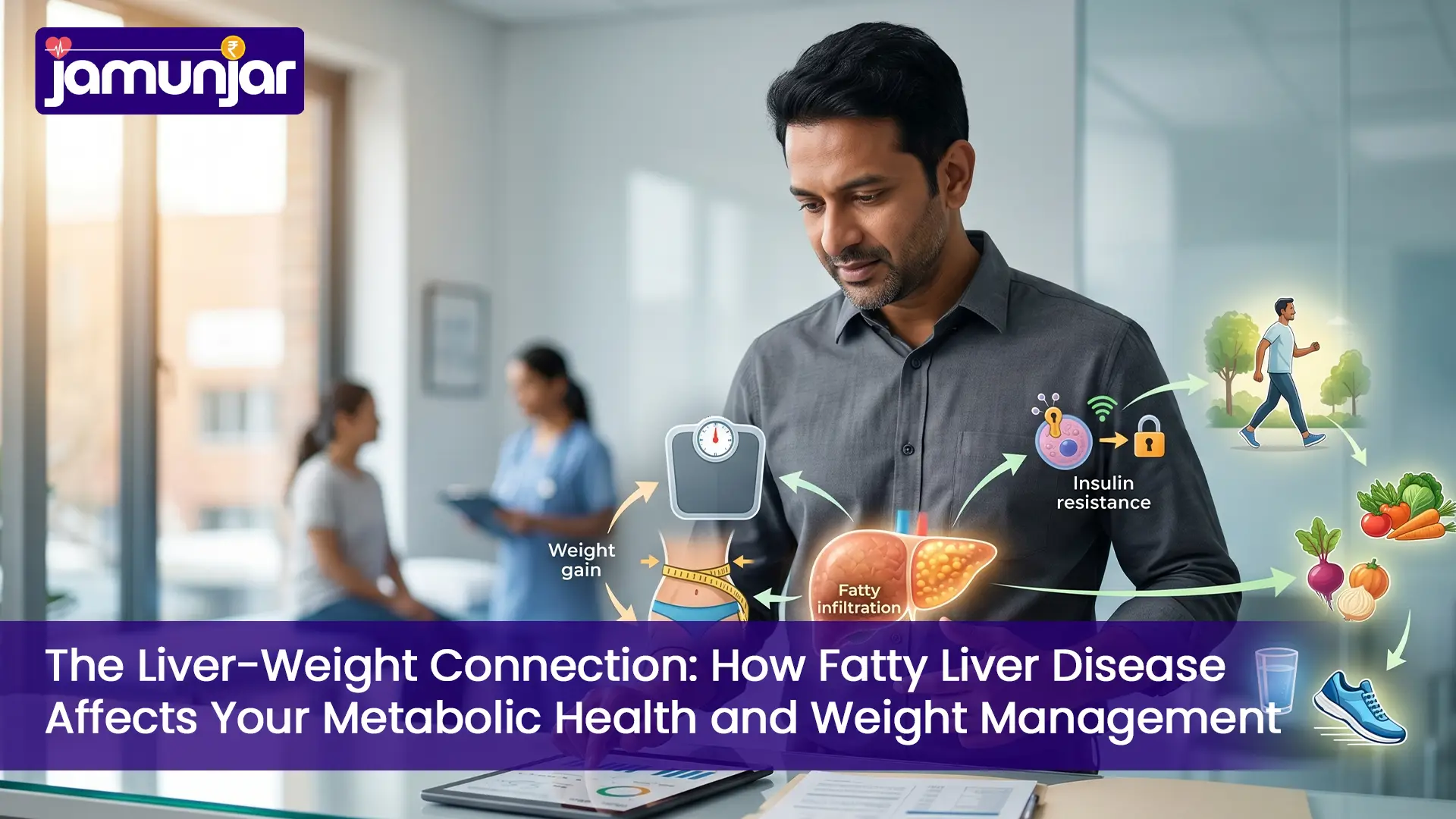
If you have been struggling to lose weight despite a reasonable diet and regular exercise, your liver health may be a contributing factor worth ruling out. The liver is the body's primary metabolic engine — responsible for fat oxidation, glucose regulation, bile production, and hormonal balance. When it becomes infiltrated with fat, these processes can degrade. In many people, this creates a self-reinforcing cycle: fatty liver disease can impair metabolism, which may promote further weight gain, which in turn can worsen fatty liver — though the strength of this cycle varies from person to person, and fatty liver does not automatically or universally cause weight gain.
This evidence-based guide covers how fatty liver disease develops, how it drives weight gain through insulin resistance and impaired fat metabolism, how to recognise early signs, and what the evidence shows about reversing it. For a broader picture of how liver dysfunction fits into the metabolic health picture, see our article on metabolic dysfunction, diabetes, heart disease, and fatty liver.
Key Takeaways
- The liver performs over 500 metabolic functions — including fat oxidation, glucose regulation, and hormone balance — all of which are compromised by fatty liver disease.
- NAFLD affects 25–30% of the global adult population3, and an estimated 70–80% of cases occur in non-drinkers6 — driven primarily by diet, inactivity, and metabolic dysfunction.
- In many people, fatty liver can contribute to a self-reinforcing cycle: excess hepatic fat can impair the liver's metabolic function, which may promote further weight gain and worsen insulin resistance — though this cycle is not universal.
- A 5% or greater reduction in body weight improves liver histology; a 10% or greater reduction resolves NASH in up to 90% of patients in clinical studies.10
- Structured aerobic exercise reduces liver fat by 20–40% even without significant weight loss16 — making physical activity a direct intervention for liver health, not just a side benefit.
- Early-stage fatty liver disease is largely reversible through dietary quality, movement, sleep, and stress management — but late-stage fibrosis and cirrhosis are not, which is why early detection matters.
1. Understanding Your Liver: The Weight Management Powerhouse
The Role of Liver in Metabolism
The liver is the body's primary metabolic engine, responsible for over 500 distinct functions. Among its most critical roles is regulating how the body processes carbohydrates, fats, and proteins — the three macronutrients essential for weight management. Weighing between 1.2 and 1.5 kilograms in healthy adults, the liver consumes approximately 20% of the body's resting energy expenditure despite its relatively modest size.
The liver manages multiple metabolic pathways simultaneously: manufacturing glucose to maintain stable blood sugar, synthesising proteins essential for muscle function, producing bile to break down dietary fats, and storing nutrients for later use. When the liver functions optimally, it helps maintain a healthy body weight. When liver function declines — particularly through fatty infiltration — all these processes become compromised.
Fatty Acid Metabolism and Storage
A healthy liver normally stores only about 5 to 7% of its weight as fat. When dietary intake and metabolic dysfunction lead to increased fat synthesis or impaired fat oxidation, triglycerides accumulate within hepatocytes (liver cells), leading to non-alcoholic fatty liver disease (NAFLD). This shift from healthy fat regulation to pathological fat accumulation is the central mechanism that connects fatty liver disease to broader metabolic dysfunction.
2. What Is Fatty Liver Disease?
NAFLD vs. NASH: Understanding the Spectrum
Fatty liver disease — formally known as non-alcoholic fatty liver disease (NAFLD) in individuals who do not consume significant alcohol — represents a spectrum of hepatic pathology. A large meta-analysis of global epidemiological data estimates that NAFLD affects approximately 25 to 30% of the global adult population3, making it the most common liver disease worldwide. The condition ranges from simple hepatic steatosis (fat accumulation without inflammation) to non-alcoholic steatohepatitis (NASH), which involves inflammation and potential progressive liver damage.
The distinction between NAFLD and NASH determines disease severity and progression risk. Simple NAFLD involves fat accumulation exceeding 5% of liver weight without significant inflammation or fibrosis. NASH progresses beyond simple steatosis to include hepatocellular injury, inflammation, and potentially cirrhosis if untreated. A population-based cohort study found that a meaningful proportion of patients with simple NAFLD progress toward more advanced liver disease over years of follow-up7, increasing the risk of hepatic fibrosis, liver cirrhosis, and hepatocellular carcinoma.
Prevalence in Non-Alcoholic Populations
Contrary to common assumptions, fatty liver disease is not exclusively associated with alcohol consumption. Population studies estimate that approximately 70 to 80% of fatty liver cases occur in non-alcoholic populations6, highlighting the predominantly lifestyle-driven nature of this condition. This rise correlates with increased rates of obesity, type 2 diabetes, metabolic syndrome, and sedentary lifestyles — making fatty liver in non-drinkers a major public health concern.
3. The Metabolic Connection: Does Fatty Liver Cause Weight Gain?
Does Fatty Liver Cause Weight Gain? The Scientific Evidence
The relationship between fatty liver disease and weight gain is bidirectional, though not universal or fully understood in every patient. While obesity is a well-established risk factor for NAFLD development, the presence of fatty liver disease can, in many patients, impair metabolic capacity and contribute to further weight accumulation. Research in Hepatology International describes several mechanisms through which patients with fatty liver disease may experience altered metabolic function:
- Impaired Lipid Oxidation: A fatty liver loses its capacity to effectively oxidise fatty acids, leading to increased fat storage in adipose tissue throughout the body
- Reduced Thermogenesis: Hepatic energy expenditure decreases when the liver is infiltrated with fat, reducing overall daily calorie burn
- Dysregulated Glucose Metabolism: Fatty liver impairs the liver's ability to regulate blood glucose, promoting increased hunger signals and appetite dysregulation
- Increased De Novo Lipogenesis: A fatty liver often produces even more fat from dietary carbohydrates through dysregulated de novo lipogenesis, compounding the problem
The Vicious Cycle: Can a Fatty Liver Cause Weight Gain?
In many patients, the metabolic dysfunction associated with hepatic steatosis can generate a self-reinforcing cycle: excess weight promotes fatty liver development, which can further impair metabolism and promote additional weight gain. Understanding this cycle helps explain why weight loss can become increasingly difficult for some affected individuals — the liver's own metabolic function may be working against their efforts until the underlying hepatic dysfunction is addressed. If your weight has stopped responding despite consistent effort, our guide on why you might not be losing weight despite diet and exercise covers the wider set of reasons a plateau happens, including this one.
4. Insulin Resistance: The Hidden Link Between Liver Health and Weight
| Stage | What Happens | Feeds Into |
|---|---|---|
| 1. Insulin resistance | Cells respond poorly to insulin, so the pancreas produces more of it (hyperinsulinemia). | → Stage 2: high insulin drives hepatic fat synthesis |
| 2. Liver fat accumulation | Elevated insulin stimulates de novo lipogenesis; triglycerides build up inside liver cells (hepatic steatosis). | → Stage 3: a fatty liver loses metabolic efficiency |
| 3. Metabolic dysfunction | The fatty liver becomes less able to regulate glucose, oxidise fat, and respond to insulin. | → Back to Stage 1: worsens whole-body insulin resistance |
This is a reinforcing cycle rather than a one-way cause: each stage can worsen the one before it, which is why addressing any single stage — insulin sensitivity, liver fat, or metabolic markers — can help slow or reverse the others.
How Insulin Resistance Drives Weight Gain
Among the most significant mechanisms linking fatty liver disease to weight gain is hepatic insulin resistance. Impaired insulin signalling specifically in the liver is present in nearly 50% of patients with simple NAFLD and over 70% of patients with NASH, according to research published in Cell Metabolism.
When the liver becomes fatty and inflamed, it develops resistance to insulin signalling. Even when insulin levels are elevated, the liver does not respond appropriately — instead of suppressing glucose production and promoting fat oxidation, it continues to produce glucose and synthesise triglycerides. This creates a state of simultaneous high insulin levels (hyperinsulinemia) and inadequate glucose control.
High insulin levels then promote fat storage through multiple pathways: directly stimulating genes involved in fat synthesis from carbohydrates, inhibiting fat breakdown (lipolysis), and suppressing glucagon — which further impairs fatty acid oxidation. Additionally, insulin resistance at the hypothalamic level impairs appetite regulation, making the satiety hormone leptin less effective and creating a state of persistent hunger despite adequate energy intake. This combination of increased metabolic fat storage and increased appetite creates a formidable metabolic challenge for weight management.
5. Early Warning Signs of Fatty Liver: Recognising When Your Liver Needs Attention
What Are the 5 Signs of a Fatty Liver?
Fatty liver disease frequently develops silently without obvious symptoms. However, certain signs may indicate liver health concerns:
- Unexplained Weight Gain or Difficulty Losing Weight: Persistent weight gain despite consistent diet and exercise habits, due to the metabolic mechanisms described above
- Chronic Fatigue: Hepatic dysfunction impairs metabolic efficiency, leading to persistent tiredness and reduced exercise tolerance
- Abdominal Discomfort: Dull pain or discomfort in the right upper abdominal quadrant, particularly after consuming fatty meals
- Brain Fog and Cognitive Impairment: Impaired liver function can affect ammonia metabolism, leading to difficulty concentrating and mild memory problems
- Skin Changes: Advanced liver disease may present with jaundice, spider angiomas, or palmar erythema — though these typically indicate more significant disease progression
What Are the First Signs of a Bad Liver?
The earliest indicators of liver dysfunction are often metabolic rather than symptomatic. Laboratory testing may reveal elevated liver enzymes (ALT and AST), elevated triglycerides, and altered fasting glucose levels before any clinical symptoms develop. Advanced imaging can identify fatty infiltration years before symptoms appear, which is why preventive health screening is critical — particularly for individuals with metabolic risk factors including obesity, type 2 diabetes, or dyslipidaemia.
6. Fatty Liver in Non-Drinkers: Lifestyle Factors Matter More Than You Think
Metabolic Dysfunction as the Primary Driver
The development of fatty liver in non-drinkers is primarily driven by metabolic dysfunction rather than direct hepatotoxicity. Excess dietary carbohydrate consumption — particularly from refined sources and added sugars — stimulates hepatic de novo lipogenesis, the process by which carbohydrates are converted into fatty acids and stored as triglycerides in the liver. Research published in the American Journal of Clinical Nutrition demonstrates that even modest increases in fructose consumption significantly increase hepatic fat accumulation, because fructose bypasses normal glucose-mediated regulatory mechanisms and uniquely drives hepatic triglyceride synthesis.
Lifestyle Contributing Factors
Multiple lifestyle factors contribute to fatty liver development in non-drinkers. A sedentary lifestyle directly impairs hepatic insulin sensitivity and reduces fatty acid oxidation capacity. Inadequate sleep disrupts the metabolic hormones leptin, ghrelin, and cortisol — all of which influence liver fat accumulation. Chronic psychological stress elevates cortisol, which promotes visceral fat accumulation and hepatic steatosis.
Certain dietary patterns increase fatty liver risk independently of total calorie intake. A high intake of saturated fats combined with refined carbohydrates creates a particularly unfavourable metabolic environment for the liver. Conversely, diets emphasising whole grains, legumes, fruits, vegetables, and omega-3 fatty acids demonstrate hepatoprotective effects, confirming that dietary quality — not merely quantity — determines liver health outcomes.
7. Breaking the Cycle: Evidence-Based Prevention and Management Strategies
Dietary Interventions for Liver Health
The encouraging reality is that NAFLD is largely reversible, particularly in its early stages. Research published in Hepatology demonstrates that a Mediterranean-style diet — characterised by olive oil, whole grains, legumes, fish, vegetables, and nuts — reduces liver fat by 20 to 40% within 12 to 24 weeks. Key dietary modifications include eliminating added sugars and refined carbohydrates to reduce hepatic de novo lipogenesis, increasing fibre intake through whole grains and legumes to improve hepatic insulin sensitivity, consuming fatty fish rich in omega-3 polyunsaturated fats to reduce liver inflammation and triglyceride accumulation, and limiting saturated fat while emphasising monounsaturated and polyunsaturated fat sources.
Emerging evidence also suggests that specific nutrients may support hepatic health. Coffee consumption correlates with reduced liver fibrosis risk in multiple studies, with the hepatoprotective effect attributed to polyphenol compounds including chlorogenic acid. Vitamin E supplementation shows benefits in NASH patients without diabetes, though supplementation decisions require individualised medical guidance.
Physical Activity and Weight Management
Regular physical activity is one of the most effective interventions for improving liver health, even independent of weight loss. Exercise increases hepatic fatty acid oxidation through upregulation of genes involved in fat catabolism. A systematic review of aerobic and resistance training found that structured exercise reduces liver fat by approximately 20 to 40%, even without significant weight reduction.16 Meeting standard physical activity guidelines — around 150 to 200 minutes of moderate-intensity aerobic exercise weekly — is a reasonable target for achieving this benefit. Resistance training provides additional benefit by improving whole-body insulin sensitivity through metabolically active muscle tissue, further reducing hepatic insulin resistance and subsequent fat accumulation.
A weight loss of 5% or more of initial body weight improves hepatic histology and reduces liver inflammation in NAFLD patients, and a weight loss of 10% or more resolves NASH in up to 90% of patients and produces fibrosis regression in close to half, according to a prospective lifestyle-modification study.10 The combination of aerobic exercise and resistance training is more effective than either alone — aerobic activity reduces hepatic fat directly while resistance training improves whole-body insulin sensitivity through metabolically active muscle tissue.
Sleep and Stress Management
Chronic sleep restriction impairs insulin sensitivity and increases hepatic de novo lipogenesis through dysregulation of mTOR signalling pathways. Sleep apnoea — increasingly prevalent in metabolically compromised populations — independently increases NAFLD severity through repeated hypoxic episodes and systemic inflammation. Targeting 7 to 9 hours of sleep nightly and addressing sleep disorders through appropriate clinical channels is therefore an important component of any liver health management plan.
8. Medical Evaluation and Diagnostic Approaches
Laboratory Assessment
Initial evaluation includes liver function tests (ALT, AST, alkaline phosphatase), a fasting lipid panel, fasting glucose, and HbA1c. Platelet count provides indirect assessment of possible hepatic fibrosis, as low platelets may indicate portal hypertension in more advanced disease. Specialised assessments including the FIB-4 Index, the AST to Platelet Ratio Index (APRI), and the Enhanced Liver Fibrosis (ELF) test provide non-invasive estimates of fibrosis severity to guide monitoring intensity and clinical decision-making.
Imaging Assessment
Abdominal ultrasound is the initial imaging modality for detecting hepatic steatosis, demonstrating characteristic increased echogenicity. Advanced techniques including MRI with proton density fat fraction quantification and transient elastography provide more precise quantification of hepatic fat content and fibrosis staging. These tools enable monitoring of therapeutic response and disease progression over time, and are increasingly used to guide clinical decisions without requiring liver biopsy in many cases.
9. Frequently Asked Questions About Liver Health and Weight Management
Will Liver Problems Cause Weight Gain?
In many cases, yes — though the relationship is not universal and runs in both directions. Hepatic dysfunction can impair metabolic efficiency, reduce energy expenditure, disrupt glucose regulation, and promote insulin resistance, all of which can favour weight accumulation in affected individuals. Liver disease can also impair synthesis of proteins involved in appetite regulation, potentially increasing hunger signals. Some individuals with fatty liver disease report significant difficulty losing weight despite consistent dietary compliance and exercise, which illustrates one possible metabolic consequence of hepatic dysfunction rather than a universal rule.
What Are 5 Signs of a Fatty Liver?
The five primary signs are: unexplained weight gain despite appropriate lifestyle modifications; chronic fatigue and reduced exercise tolerance; abdominal discomfort particularly in the right upper quadrant; brain fog and concentration difficulties; and metabolic abnormalities detected through laboratory testing including elevated liver enzymes and dyslipidaemia. Many individuals with significant fatty liver disease remain completely asymptomatic, making preventive screening essential.
Does the Liver Help With Weight Loss or Weight Gain?
The answer depends largely on liver health status. A healthy liver supports weight management by regulating glucose metabolism, synthesising essential proteins, processing dietary fats, and maintaining hormonal balance. A compromised or fatty liver can impair these processes and, in many patients, contribute to weight gain. Restoring liver health is therefore often an important part of effective and sustainable weight management in patients with NAFLD.
What Are the First Signs of a Bad Liver?
The earliest signs are typically metabolic rather than clinical: elevated liver enzymes (ALT, AST), dyslipidaemia, elevated fasting glucose, and insulin resistance detected through laboratory testing — often before any physical symptoms appear. Advanced imaging may identify fatty infiltration years before symptom onset. This asymptomatic progression makes regular preventive screening critical for individuals with metabolic risk factors.
Can fatty liver be reversed?
Yes, particularly in its earlier stages. A prospective lifestyle-modification study found that a weight loss of 5% or more reduces hepatic fat content, and a weight loss of 10% or more resolves NASH in up to 90% of patients on repeat biopsy.10 Dietary modification, regular physical activity, improved sleep quality, and stress management all create metabolic conditions favourable for hepatic fat reduction. Advanced fibrosis and cirrhosis represent largely irreversible changes, which is why early detection and intervention are essential.
How does fatty liver affect weight loss efforts?
Fatty liver impairs weight loss through several mechanisms: reduced fat oxidation capacity, lower resting energy expenditure, dysregulated glucose metabolism that promotes hunger, and elevated insulin levels that increase fat storage and suppress fat breakdown. This is why some people feel like their body is "fighting" every effort to lose weight — the liver's metabolic dysfunction is genuinely working against them. Restoring liver health through dietary quality, activity, and sleep is a prerequisite for sustained weight management.
What is the best diet for fatty liver disease?
A Mediterranean-style diet is the most evidence-supported pattern for NAFLD — characterised by olive oil, whole grains, legumes, fish, vegetables, and nuts. Key principles are: eliminate added sugar and refined carbohydrates (which drive de novo lipogenesis), increase fibre, emphasise omega-3-rich foods, limit saturated fat, and avoid fructose-heavy processed foods. This dietary pattern reduces liver fat by 20–40% within 12–24 weeks in clinical studies.
Can fatty liver disease cause metabolic syndrome?
Yes — fatty liver disease is both caused by and a driver of metabolic syndrome. NAFLD accelerates insulin resistance, raises triglycerides, lowers HDL cholesterol, worsens blood sugar control, and promotes systemic inflammation — all of which are components of metabolic syndrome. The two conditions reinforce each other in a bidirectional cycle. Treating fatty liver disease as part of a broader metabolic health program is more effective than addressing it in isolation.
Conclusion
Fatty liver disease is not simply a liver condition — it is a metabolic condition that can affect the entire body. When the liver's ability to oxidise fat, regulate glucose, and manage insulin signalling is compromised, weight gain can become harder to prevent and weight loss can become harder to achieve for some people, though this is not a universal or inevitable outcome. The good news is that early-stage fatty liver is largely reversible, and the same lifestyle interventions that improve liver health — better diet, regular movement, adequate sleep — improve the entire metabolic picture.
If you are struggling with unexplained weight gain, fatigue, or borderline liver enzyme results, a structured metabolic assessment is the most important next step. Jamunjar's Metabolic Reset Program includes liver health evaluation alongside comprehensive metabolic assessment — giving you a complete picture and a personalised plan. Book your assessment today.
References
- Chalasani N, Younossi Z, Lavine JE, et al. The diagnosis and management of nonalcoholic fatty liver disease: Practice guidance from the AASLD. Hepatology [Internet]. 2023;77(2):305–381. Available from: https://pubmed.ncbi.nlm.nih.gov/36626809/
- Eslam M, Sanyal AJ, George J. MAFLD: A consensus-driven proposed nomenclature for metabolic associated fatty liver disease. Gastroenterology [Internet]. 2020;158(7):1999–2014. Available from: https://pubmed.ncbi.nlm.nih.gov/32044314/
- Younossi ZM, Koenig AB, Abdelatif D, et al. Global epidemiology of nonalcoholic fatty liver disease. Hepatology [Internet]. 2016;64(1):73–84. Available from: https://pubmed.ncbi.nlm.nih.gov/26926713/
- Day CP, James OF. Steatohepatitis: a tale of two `hits`? Gastroenterology [Internet]. 1998;114(4):842–845. Available from: https://pubmed.ncbi.nlm.nih.gov/9547102/
- Kleiner DE, Brunt EM, Van Natta M, et al. Design and validation of a histological scoring system for nonalcoholic fatty liver disease. Hepatology [Internet]. 2005;41(6):1313–1321. Available from: https://pubmed.ncbi.nlm.nih.gov/15915461/
- Browning JD, Szczepaniak LS, Dobbins R, et al. Prevalence of hepatic steatosis in an urban population in the United States. Journal of Hepatology [Internet]. 2004;40(1):138–145. Available from: https://pubmed.ncbi.nlm.nih.gov/14672622/
- Adams LA, Lymp JF, St Sauver J, et al. The natural history of nonalcoholic fatty liver disease: A population-based cohort study. Gastroenterology [Internet]. 2005;129(1):113–121. Available from: https://pubmed.ncbi.nlm.nih.gov/16012941/
- Angulo P, Hui JM, Marchesini G, et al. The NAFLD fibrosis score: A noninvasive system that identifies liver fibrosis in patients with NAFLD. Hepatology [Internet]. 2007;45(4):846–854. Available from: https://pubmed.ncbi.nlm.nih.gov/17393509/
- McPherson S, Hardy T, Henderson E, et al. Evidence of NASH-related cirrhosis is underrecognized in patients classified as having simple NAFLD. Journal of Hepatology [Internet]. 2015;63(2):429–435. Available from: https://pubmed.ncbi.nlm.nih.gov/25754148/
- Vilar-Gomez E, Martinez-Perez Y, Solá E, et al. Weight loss through lifestyle modification significantly reduces features of nonalcoholic steatohepatitis. Gastroenterology [Internet]. 2015;149(2):367–378. Available from: https://pubmed.ncbi.nlm.nih.gov/25865049/
- Haufe S, Engeli S, Kast P, et al. Randomized comparison of reduced fat and reduced carbohydrate hypocaloric diets on intrahepatic fat. American Journal of Clinical Nutrition [Internet]. 2011;93(5):1048–1052. Available from: https://pubmed.ncbi.nlm.nih.gov/21367948/
- Lonardo A, Bellentani S, Argo CK, et al. Epidemiological modifiers of non-alcoholic fatty liver disease. Current Pharmaceutical Design [Internet]. 2013;19(29):5219–5238. Available from: https://pubmed.ncbi.nlm.nih.gov/23394095/
- European Association for the Study of the Liver (EASL), EASD, EASO. Management of non-alcoholic fatty liver disease. Journal of Hepatology [Internet]. 2016;64(6):1388–1402. Available from: https://pubmed.ncbi.nlm.nih.gov/27062661/
- Hooper L, Al-Rashid B, Newman C, et al. Reduction in saturated fat intake for cardiovascular disease. Cochrane Database of Systematic Reviews [Internet]. 2020;5(5):CD011737. Available from: https://pubmed.ncbi.nlm.nih.gov/32428300/
- Bedossa P, Consortium FFC. Utility and appropriateness of the fatty liver index in the definition of metabolic dysfunction-associated fatty liver disease. Hepatology [Internet]. 2017;65(6):2216–2226. Available from: https://pubmed.ncbi.nlm.nih.gov/28218813/
- Hashida R, Kawaguchi T, Bekki M, et al. Aerobic vs. resistance exercise in non-alcoholic fatty liver disease: A systematic review. Journal of Hepatology [Internet]. 2017;66(1):142–152. Available from: https://pubmed.ncbi.nlm.nih.gov/27639843/
Medical Disclaimer
This article is for educational purposes only and does not replace professional medical advice, diagnosis, or treatment. Exercise and dietary changes should be individualised, especially for people with diabetes, cardiovascular disease, joint pain, or limited mobility.
The article is written by

He specializes in comprehensive assessment, pre- and post-rehabilitation, and advanced management of musculoskeletal, neurological, and critical cardio-respiratory conditions.